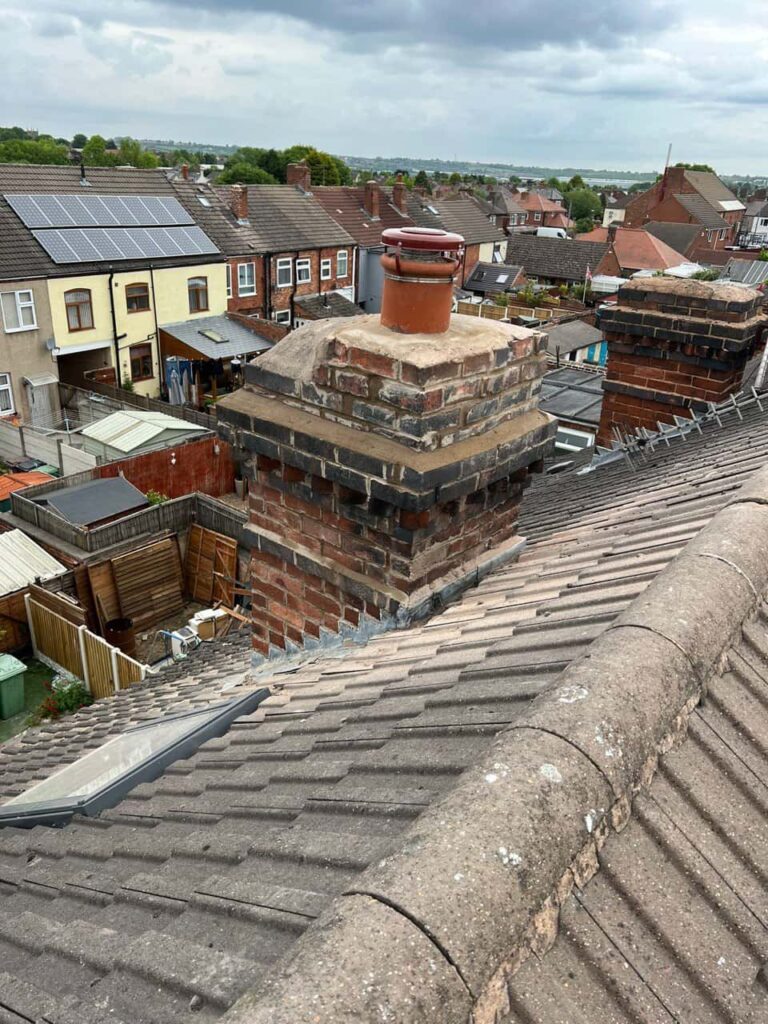
Surface damage does not always reveal what is happening underneath. The following warning signs may indicate that a defect has been present for longer than expected or has affected more than the outer roof covering.
Damp Patches Are Becoming Larger
A small ceiling mark that gradually widens can suggest continuing moisture ingress. The visible stain may become darker after rain, spread towards a wall or reappear after appearing to dry.
Because water can follow rafters, underlay and other surfaces, the internal mark may not sit directly beneath the opening in the roof. Both the entry point and the route travelled by the moisture need to be identified.
The Same Leak Keeps Returning
A leak that returns after localised work may indicate that the original cause was not fully identified. It can also mean that water has reached damaged underlay, battens or adjoining materials beyond the repaired section.
Repeatedly treating the most obvious tile or internal stain may not resolve the problem. A wider assessment can determine whether several defects are contributing to the same leak.
Damp Appears in More Than One Room
Moisture marks developing across multiple ceilings or walls can suggest that water is travelling through a broader section of the roof. This does not necessarily mean that several separate leaks are present.
One damaged junction, valley or area of underlay may direct water along different routes. Mapping where and when the damp appears can help a roofer trace the source more accurately.
There Is a Musty Smell in the Loft
A persistent musty smell can indicate that insulation, timber or stored materials have been exposed to moisture. The cause may remain hidden if water is entering slowly or evaporating before reaching the ceiling below.
Any unexplained odour should be investigated, especially when accompanied by staining, damp insulation or poor air movement within the roof space.
Roof Timbers Show Dark Staining
Dark marks, tide lines or discolouration on rafters and other roof timbers can reveal previous or continuing water movement. Even if the timber feels dry during an inspection, the staining may show that it becomes wet during certain weather conditions.
Fresh marks, softening wood or repeated dampness require closer attention. The external covering above the affected area should be examined alongside the condition of the underlay and battens.
Insulation Feels Damp or Compressed
Roof insulation can absorb moisture before water becomes visible in the rooms below. Wet insulation may flatten, clump together or develop localised discolouration.
Moisture within insulation can remain concealed and may spread across a larger area than the initial roof defect. Replacing or drying the insulation alone will not solve the problem unless the source of the water is repaired.
The Roof Surface Looks Uneven
Tiles or slates that appear dipped, raised or uneven may indicate deterioration beneath them. Battens can weaken through prolonged moisture exposure, while damaged underlay may no longer support effective drainage beneath the covering.
A localised change in the roofline should not be judged from ground level alone. A professional inspection can establish whether the issue is limited to displaced materials or involves their supporting components.
Several Tiles Have Started to Move
One slipped tile may be an isolated problem. If several tiles move within the same section, the fixings or battens beneath them may have deteriorated.
Simply repositioning the visible tiles may not provide a lasting repair if the supporting materials are no longer secure. The surrounding area should be checked for similar weaknesses.
Plaster or Paint Is Deteriorating Indoors
Peeling paint, bubbling finishes or crumbling plaster near ceilings and upper walls can indicate repeated moisture exposure. These symptoms may continue even when no active dripping is visible.
Internal redecoration should wait until the roof defect has been found and the affected materials have dried properly. Otherwise, the same damage may return after the next period of rain.
The Roof Deck or Ceiling Appears to Sag
Sagging should always receive prompt professional attention. It may suggest that moisture has affected the roof deck, supporting timbers or ceiling materials.
The cause and extent cannot be determined from appearance alone. Inspection is needed to establish which components are involved and whether access to a wider section of the roof is required.
Repairs Reveal Damage Beyond the Original Defect
Sometimes concealed deterioration only becomes apparent after tiles or slates are lifted. Torn underlay, weakened battens, corroded fixings or damp timber may extend beyond the area visible from outside.
This does not automatically mean that the entire roof needs replacing. It does mean that the repair area may need to be enlarged so that damaged materials can be removed and the roofing system restored correctly.
Why a Thorough Roof Inspection Matters
A useful inspection considers the roof as a complete system rather than focusing only on the most visible defect. This includes the covering, fixings, battens, underlay, flashing, roof junctions and accessible internal areas.
Establishing how far the damage has spread helps prevent sound materials from being disturbed unnecessarily while ensuring that concealed defects are not left behind. It also allows the repair to address the cause of the problem rather than only its internal symptoms.
Conclusion
Recurring leaks, spreading damp, stained timbers, wet insulation and uneven roofing materials can all suggest that damage has extended beneath the surface. Early assessment is important because concealed moisture may affect several connected components before the problem becomes clearly visible indoors.
If you have noticed signs of hidden roof damage at your property in Haywards Heath, West Sussex, Haywards Heath Roofing Repairs can inspect the affected area and determine the appropriate scope of repair. Contact us to arrange a professional assessment based on the roof’s actual condition.
Call us on: 01444 718 199
Click here to find out more about Haywards Heath Roofing Repairs
Click here to complete our contact form and see how we can help with your roofing needs.